
Bookkeeping
How to Clean Up a Messy Chart of Accounts in QuickBooks Online
Your QBO balance doesn’t match your bank statement — don’t panic. Here are the 6 most common reasons it happens and exactly what to check first. You open…

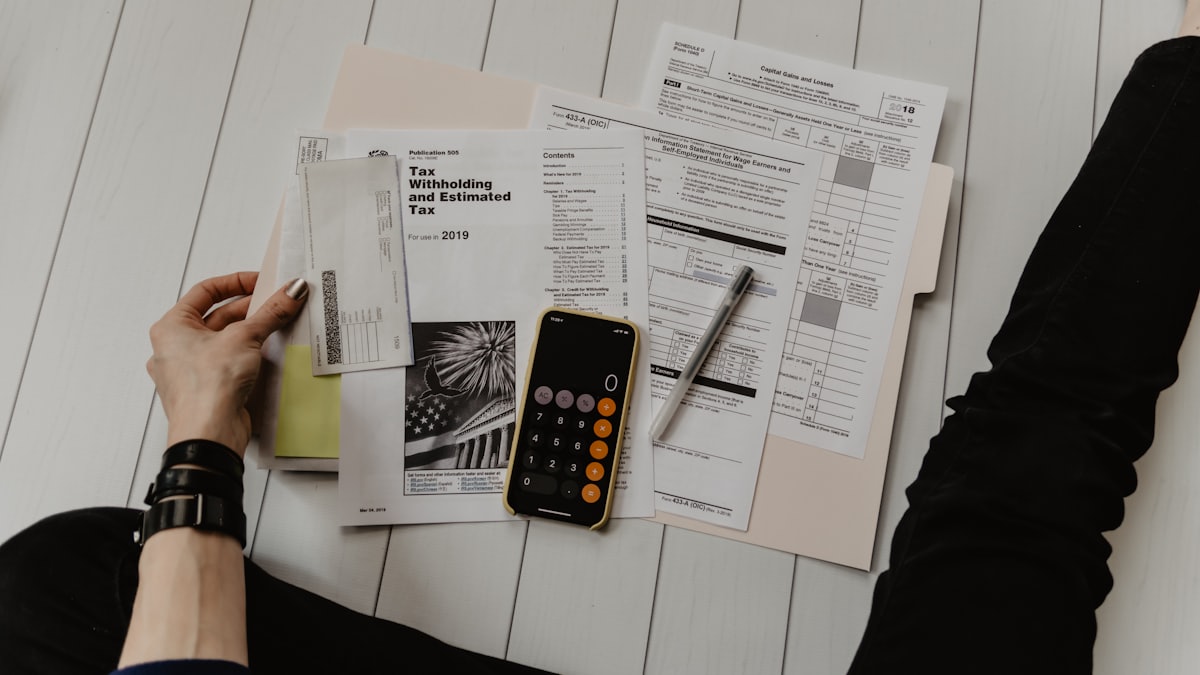
Confused about bookkeeping vs accounting? Learn the key differences, roles, and which one your business actually needs — explained simply by a professional accountant.
Bookkeeping is the day-to-day recording of financial transactions. Accounting uses that recorded data to analyze, interpret, and report on a business’s financial health. Think of bookkeeping as the foundation — accounting is what you build on top of it.
If you’ve ever tracked every dollar coming in and going out of a business, you’ve done bookkeeping.
Bookkeeping is the systematic process of recording financial transactions on a regular basis. Every sale, purchase, payment, and receipt gets logged into a system — whether that’s a spreadsheet, software like QuickBooks, or a physical ledger.
The goal of bookkeeping is simple: keep accurate, up-to-date records so the business always knows where its money stands.
Bookkeeping is largely transactional and process-driven. It doesn’t require interpreting the numbers — just recording them correctly and consistently.
Accounting picks up where bookkeeping leaves off.
Using the records a bookkeeper maintains, an accountant analyzes, interprets, and communicates a business’s financial story. Accounting involves making judgment calls, applying financial principles (like GAAP or IFRS), and turning raw data into actionable insights for business owners, investors, or tax authorities.
Accounting is analytical and advisory. It requires a deeper understanding of financial principles and often involves professional certification (like CPA, CA, or CMA).
Here’s a side-by-side look at how the two roles compare:
| Feature | Bookkeeping | Accounting |
|---|---|---|
| Primary focus | Recording transactions | Analyzing & interpreting data |
| Nature of work | Transactional, routine | Analytical, strategic |
| Key output | Ledgers, transaction records | Financial statements, reports |
| Decision-making | Minimal | High |
| Tools used | QuickBooks, Xero, Tally | Same + advanced reporting tools |
| Education required | Diploma, certificate, or on-the-job | Bachelor’s degree + certification (CPA/CA) |
| Frequency | Daily / weekly | Monthly / quarterly / annually |
| Under GAAP/IFRS | Records must follow standards | Ensures compliance and applies standards |
The simplest way to remember it: bookkeepers record the story; accountants read and explain it.
This is one of the most common questions small business owners ask — and the honest answer is: it depends on where your business is right now.
Many small businesses start with a bookkeeper and bring in an accountant for year-end reporting or tax filing. As they grow, both roles become essential.
Yes — and this is more common than people think.
Many accounting professionals handle both bookkeeping and accounting tasks, especially for small to mid-sized businesses. A Staff Accountant or a full-charge bookkeeper often wears both hats: they record daily transactions and prepare financial reports.
However, in larger organizations, the roles are typically separate. Bookkeeping is handled by bookkeepers or accounting clerks, while CPAs or senior accountants focus on analysis, reporting, and advisory work.
The key takeaway: the tasks are different, but the same trained person can perform both.
Whether you’re a bookkeeper, accountant, or business owner managing your own finances, having the right tools makes all the difference.
Popular bookkeeping tools:
Popular accounting tools:
Most modern accounting software blurs the line between bookkeeping and accounting — they handle both recording and reporting in one platform.
Is bookkeeping harder than accounting? Not necessarily harder, but different. Bookkeeping requires attention to detail and consistency. Accounting requires analytical thinking and knowledge of financial standards. Most accountants start by learning bookkeeping basics first.
Can I do my own bookkeeping as a small business owner? Yes, especially in the early stages. Tools like QuickBooks Online or Wave make it manageable. But as your transactions grow in volume or complexity, outsourcing bookkeeping saves time and reduces errors.
What’s the salary difference between a bookkeeper and an accountant? In Canada, bookkeepers typically earn $40,000–$55,000/year, while accountants with a CPA designation can earn $65,000–$100,000+ depending on the role and industry.
Is a bookkeeper the same as an accounts payable clerk? Not exactly. An accounts payable clerk focuses specifically on managing what a business owes to vendors. A bookkeeper has a broader scope, covering all financial transactions including AP, AR, payroll, and reconciliations.
Do I need a CPA to do bookkeeping? No. Bookkeeping does not require a CPA designation. Many bookkeepers hold a diploma in accounting or are certified through programs like QuickBooks ProAdvisor. A CPA is typically required for formal auditing, tax filings, and signing off on financial statements.
What is the difference between a bookkeeper and a full-charge bookkeeper? A full-charge bookkeeper handles the complete accounting cycle — from recording daily transactions all the way to producing financial statements. They take on more responsibility than a standard bookkeeper and often work without direct supervision.
Can bookkeeping be done remotely? Absolutely. Most bookkeeping today is done remotely using cloud-based software. This has made remote bookkeeping and accounting one of the fastest-growing career paths for finance professionals.
Is accounting a good career in Canada? Yes. Accounting remains one of the most in-demand professional fields in Canada, particularly in Ontario. The CPA designation significantly boosts earning potential and career mobility.
Bookkeeping and accounting are two sides of the same coin. You need accurate bookkeeping to do meaningful accounting — and you need accounting to turn your bookkeeping records into real financial insight.
Whether you’re a small business owner figuring out your finances, or a professional deciding which path to specialize in, understanding the difference between these two roles is the first step toward better financial decision-making.
Want to go deeper? Read our next post: How to Read a Balance Sheet (For Non-Accountants) — another foundational skill every business owner and finance professional should have.
Disclaimer: This post is for informational purposes only and does not constitute professional financial or accounting advice. Please consult a qualified accountant or CPA for advice specific to your situation.
About the Author: Anam Gul is a professional accountant with 6+ years of experience across Canada, the USA, and India. She holds an M.Com, B.Com, and is a QuickBooks Online Certified ProAdvisor currently pursuing her CA designation through ICAI and planning to pursue CPA in the near future. She writes at Profitick.com to make finance accessible to everyone.

Part of the Profitick team — writing plain-English guides on bookkeeping, tax, and cash flow for Canadian business owners.
Your QBO balance doesn’t match your bank statement — don’t panic. Here are the 6 most common reasons it happens and exactly what to check first. You open…
Your QBO balance doesn’t match your bank statement — don’t panic. Here are the 6 most common reasons it happens and exactly what to check first. You open…
Making the transition from cash basis to accrual basis accounting is a significant step for any business. This shift provides a more accurate picture of your company’s financial…
One email a month: what changed in tax rules, one metric to watch, and our best new guide. No fluff, unsubscribe anytime.
One email a month. Unsubscribe any time.